
Change Orders: What Are They and Why Do They Happen in Renovation Projects?

If you’ve ever been involved in a renovation project—or are planning one—you may hear the term “change order.” For many homeowners, this can sound concerning at first. But in reality, change orders are a normal part of construction and renovation work.
Understanding what they are and why they happen can help you feel more confident and prepared throughout your project.
What Is a Change Order?
A change order is a written agreement that modifies the original scope of work in a construction contract.
It can involve:
Adding new work
Removing part of the project
Changing materials or finishes
Adjusting timelines
Updating costs
In simple terms, it’s a formal way to document changes after a project has already started.
Why Do Change Orders Happen?
Even with the best planning, renovations don’t always go exactly as expected. Here are the most common reasons change orders come up:
1. Hidden Conditions
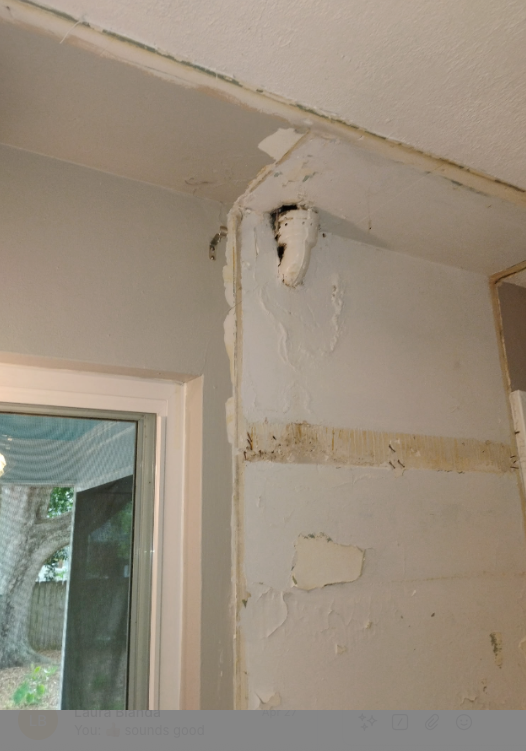
Once walls, floors, or ceilings are opened, contractors may discover issues like:
Old wiring
Plumbing problems
Water damage
Structural concerns
These aren’t always visible beforehand and need to be addressed properly.
2. Design Changes
Sometimes homeowners decide mid-project to:
Upgrade materials
Change layouts
Add features
While these improvements can enhance the final result, they often require adjustments to cost and timeline.
3. Material Availability
Delays or shortages can lead to substitutions or changes in materials, especially in today’s supply environment.
4. Code Requirements
During the project, updates may be required to meet current building codes, even if the original structure was built under older standards.
5. Unforeseen Site Conditions
Things like uneven framing, hidden damage, or unexpected structural issues can require adjustments to the original plan.
How Change Orders Affect Your Project
Change orders can impact:
Cost: Additional work or upgraded materials may increase the budget
Timeline: Extra work can extend project duration
Scope: The overall design or functionality may improve or change
That’s why clear communication is essential.
Why Change Orders Are Actually a Good Thing
While they may seem inconvenient, change orders serve an important purpose:
✔ They keep everything documented and transparent✔ They ensure all parties agree before work continues✔ They help prevent misunderstandings later✔ They allow flexibility to improve the project
Without change orders, projects could quickly become disorganized and confusing.
Tips for Homeowners
Review all change orders carefully before approving
Ask questions if anything is unclear
Keep communication open with your contractor
Build a contingency budget (10–20%) for unexpected changes
Being prepared makes the process much smoother.
Final Thoughts
Change orders are a normal part of renovation projects—not a sign that something has gone wrong. They’re simply a structured way to handle changes as they arise.
With good planning, clear communication, and the right contractor, change orders can help ensure your final result meets your expectations—even if the path to get there evolves along the way.
If you’d like, I can also:✔ Write a Facebook post to promote this✔ Turn this into a short explainer video script✔ Create a client-friendly checklist✔ Provide real-life examples of change orders
Just let me know!


Comments